“How much does a real estate digital twin cost?” is a reasonable question, but it cannot be answered responsibly with one universal figure. A guided presentation for one building and a multi-channel platform covering an entire district may share the same label while requiring very different production, infrastructure and support.
Real estate digital twin cost depends on commercial purpose, geographic scope, source-data readiness, visual fidelity, interaction depth, integrations, deployment and update requirements. Developers should budget separately for initial production, deployment and ongoing operation. A credible quotation needs a defined use case and a review of the available BIM, CAD, GIS and marketing materials.
The most useful budgeting question is therefore not only “How much will it cost?” It is “What must this digital twin help our sales team, buyers or stakeholders accomplish?” Once that purpose is clear, the project can be divided into measurable components and competing proposals can be compared on the same basis.

Why there is no standard digital twin price
Two briefs can both request a “real estate digital twin” while describing entirely different products. One may need a carefully scripted masterplan presentation on a single touchscreen. Another may require a sales-centre system with an LED wall, tablet control, physical-model synchronization, unit availability and remote browser access.
The second project is not necessarily better. It simply performs more jobs, uses more infrastructure and creates more responsibilities after launch. Price becomes meaningful only when those responsibilities are visible.
Before requesting a budget, define five things:
- Audience: buyers, investors, brokers, sales advisors, public stakeholders or internal teams.
- Decision: what the user should understand, compare, select or do next.
- Environment: website, sales centre, exhibition, stakeholder presentation or several channels.
- Content boundary: development, district, building, floor, unit, interior and surrounding city context.
- Operating model: who updates content, supports the system and owns the connected data.
This purpose-first approach also prevents keyword confusion. The cost of an operational building twin connected to live sensors cannot be compared directly with the cost of a real-time sales experience for an off-plan development. Chameleon Interactive’s guide to digital twins and traditional 3D models explains the distinction in more detail.
Plan three budgets, not one line item
A dependable business case separates initial production, deployment and ongoing operation. Combining them into one headline number makes exclusions difficult to see and proposals difficult to compare.
Initial production
The work required to define and create the experience.
- Commercial discovery and use cases
- Source-data audit
- 3D preparation and optimization
- UX and interface design
- Real-time development
- Content and integrations
- Testing and approval cycles
Deployment
The infrastructure and work required to make it operate in the intended environment.
- Local workstation or cloud infrastructure
- Displays, touchscreens and controllers
- Networking and signal distribution
- Installation and commissioning
- Performance verification
- Staff training and recovery procedures
Ongoing operation
The recurring cost of keeping the experience useful, accurate and available.
- Hosting or GPU streaming
- Technical monitoring and support
- Content and inventory updates
- Software or service licences
- Device maintenance
- New phases and platform upgrades
A local sales-centre installation may concentrate more investment in displays, control hardware and commissioning. A remote Unreal Engine experience may replace some on-site infrastructure with recurring GPU, networking and support costs. Epic’s Pixel Streaming hosting guidance makes clear that open-internet delivery can involve signalling, networking, relays and host-capacity decisions. It is not equivalent to uploading a standard webpage.
The cheapest proposal is not always the smallest investment. Missing deployment, data preparation or update responsibilities often reappear later as change requests.
Ten factors that determine real estate digital twin cost
The table below is designed for early planning. It does not replace a technical review, but it identifies the decisions most likely to change the quotation.
| Cost driver | What increases the scope | Budget control question |
|---|---|---|
| Commercial purpose | Several audiences, sales journeys or presentation modes | What decision or next action must the experience support? |
| Geographic scope | More districts, buildings, floors, unit types, interiors and surrounding context | Which locations need interactive detail at launch? |
| Source-data readiness | Missing, outdated or contradictory BIM, CAD, GIS, schedules and visual references | Which approved files are available, and who resolves conflicts? |
| Visual fidelity | Premium materials, detailed landscaping, interiors, animation, people, traffic and environmental effects | Where will extra realism change the sales conversation? |
| Interaction depth | Search, filters, comparison, saved selections, configurators and personalized outputs | Which interactions are essential for the first release? |
| Integrations | CRM, availability, pricing, CMS, analytics, GIS and authentication | Which data must be live, and which system remains authoritative? |
| Deployment channels | Separate versions for web, sales centres, exhibitions, mobile devices or VR | What can share one core system and what needs channel-specific design? |
| Languages and content | Multiple interfaces, labels, sales routes and approval versions | Who supplies, verifies and maintains each language? |
| Update frequency | Changing phases, inventory, prices, amenities or marketing content | What changes, how often and through which workflow? |
| Reliability and support | Redundancy, offline operation, long duty cycles, remote monitoring and on-site support | What is the commercial impact if the system is unavailable? |
Having a BIM model does not mean the real-time environment is finished
Architectural models are normally created for design, coordination and construction. They may contain excessive geometry, technical elements that buyers never see, incomplete materials or conflicting revisions. They may also omit landscaping, context and the visual storytelling required by sales teams.
The budget should therefore include source-data review, conversion and optimization. The objective is not to reproduce every construction detail. It is to preserve the information and visual quality needed for the intended experience. ISO 19650 frames information management across the asset lifecycle, while buildingSMART’s IFC standard supports structured data exchange. Neither removes the need to check whether the supplied information is current, complete and suitable for the target platform.
Large context can require a different content strategy
A district or city-scale experience should not apply maximum detail everywhere. Teams can define a high-detail hero area and simplify the wider context, or use streaming formats where appropriate. The OGC 3D Tiles standard, for example, is designed to stream and render large heterogeneous 3D geospatial content. The choice of approach affects asset preparation, hosting and visual consistency.
Three realistic scope models
These are planning models, not fixed packages. Their purpose is to show why asking only for “a digital twin price” produces incomparable quotations.

Focused interactive presentation
One project, a controlled content boundary and a limited number of carefully designed journeys.
- Best for a dedicated presentation screen, touchscreen or event installation
- Often presenter-led
- Limited live data
- Clear launch scope
Connected sales-centre experience
Several interaction modes or devices working together around a shared project story.
- LED wall, touch table, touchscreen or tablet control
- Guided and self-guided journeys
- Possible physical-model synchronization
- Installation and staff training
Multi-channel digital twin platform
A reusable system serving sales centres, exhibitions and remote browser access.
- Channel-specific UX and optimization
- Content management or integrations
- Cloud infrastructure and analytics
- Defined update and support model
One well-designed core environment may be reused across channels, but reuse is not automatic. A public website, advisor-controlled LED wall and exhibition touchscreen have different attention patterns, controls, performance limits and failure conditions. Chameleon Interactive’s Pixel Streaming guide for exhibitions explains one approach to connecting Unreal Engine, browser-based controls and large-format displays.
Hidden costs developers frequently miss
Input clarification and rework
Late design changes, inconsistent file versions and missing approvals create additional production cycles.
Content ownership
Someone must approve project facts, translations, images, availability rules and future updates.
Integration dependencies
An integration estimate depends on API access, documentation, security review, test data and responsibility on both sides.
Target hardware and venue conditions
Pixel load, screen resolution, network restrictions, installation access and support windows affect deployment effort.
Acceptance and approval cycles
Undefined visual standards or many independent reviewers can turn subjective feedback into repeated revisions.
Handover and operations
Training, restart procedures, backups, monitoring and update ownership determine whether the tool remains usable.
For exhibition projects, venue logistics, labour, rigging and show support add another cost layer. Those subjects are covered separately in Chameleon Interactive’s guide to budgeting immersive experiences.
How to control cost without weakening the sales experience
- Prototype the highest-value journey first. Validate how an advisor or buyer moves from masterplan context to the desired next action before producing every feature.
- Prioritize detail by sales relevance. Invest in the places, interiors and moments that require close inspection. Simplify background content that provides context only.
- Separate launch requirements from later phases. A clear first release creates a stable baseline for optional languages, integrations, channels and additional project phases.
- Audit source material before fixing the quotation. This exposes missing assets, conflicting revisions and conversion risks early.
- Reuse one approved content system where practical. Shared 3D assets, labels and project data reduce duplication, even when interfaces need channel-specific adaptation.
- Choose deployment after expected usage is defined. Local hardware and remote streaming have different capital, concurrency, networking and support implications.
- Use measurable acceptance criteria. Define target devices, loading expectations, supported journeys, visual references and test scenarios before final production.
- Plan update responsibility before launch. Decide who changes inventory, project phases, languages and marketing content, and how those changes are approved.
A structured RFP can turn these decisions into comparable vendor responses. See the Chameleon Interactive guide to building a digital twin RFP that prevents scope creep.
When a digital twin may not be the right investment
If the project story is still changing daily, approved source material is unavailable or the requirement is only a short linear presentation, a focused animation, interactive prototype or simpler web experience may be more appropriate. The solution should match the commercial decision, not a fashionable label.
What to prepare for an accurate quotation
A useful vendor brief does not need to be technically perfect. It needs to make the commercial purpose, available inputs and delivery boundaries visible.
- Development name, location and current stage
- Target audiences and commercial objectives
- Required platforms, screens and interaction devices
- Geographic, building, floor, unit and interior scope
- Available BIM, CAD, GIS, imagery and brand assets
- Required user journeys and interactions
- Required languages and content owners
- CRM, inventory, pricing, CMS or analytics requirements
- Expected launch date and approval process
- Update frequency, hosting and support expectations
- Installation, training and fallback requirements
- Source-file, licence and intellectual-property expectations
How to compare digital twin proposals
Ask every vendor to separate the same categories: discovery, data preparation, 3D production, interface, application development, integrations, deployment, hardware, licences, hosting, support and optional work. Require assumptions and exclusions in plain language.
If two prices differ substantially, compare the boundaries before comparing the totals. One proposal may include source-data reconstruction, installation and twelve months of hosting while another assumes those responsibilities sit with the client.
Also check what “complete” means. A dependable proposal should identify supported devices, included content, interaction journeys, target performance, review cycles, handover materials and the process for changes. AVIXA’s performance-verification framework is a useful reference when the project includes professional audiovisual systems.
How Chameleon Interactive prepares an estimate
A useful estimate is a short decision process, not a price generated from project area alone.
- ObjectivesDefine the audience, sales journey and required next action.
- Source auditReview available models, drawings, data and approved content.
- Experience scopeIdentify locations, detail levels, journeys, languages and integrations.
- DeploymentDefine target devices, locations, infrastructure and support expectations.
- Estimate and roadmapSeparate launch scope, options, assumptions and ongoing costs.
Real project context
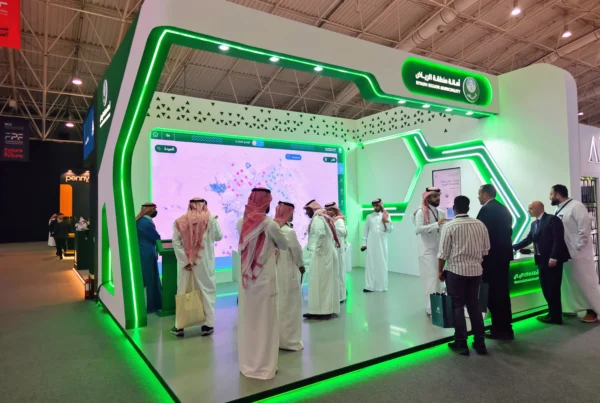
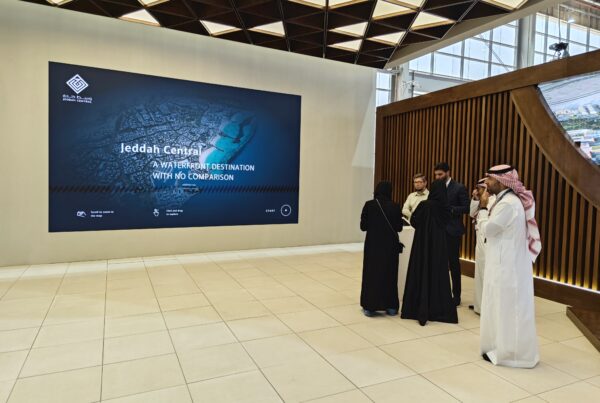
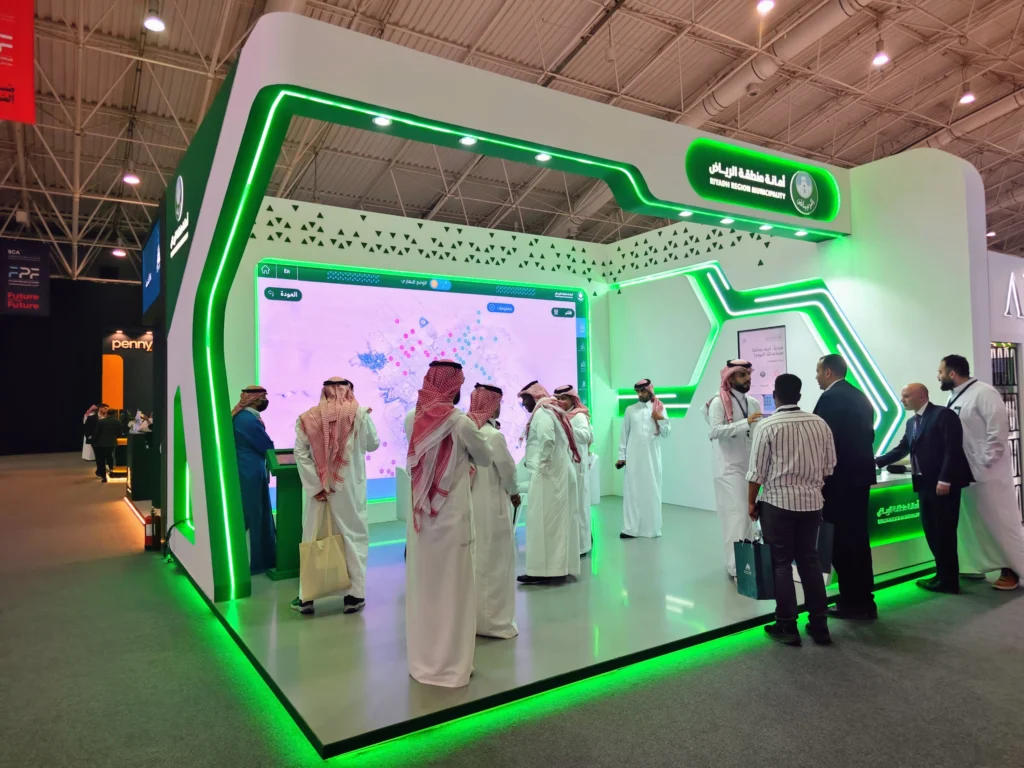
These projects show why scope and deployment matter. The examples are evidence of different presentation environments, not price benchmarks. Each budget still depends on its own content, devices, integrations and operating requirements.

Build a budget around the experience you actually need
If you already have a masterplan, BIM model or early sales-centre brief, share it with Chameleon Interactive. We can identify the main cost drivers, separate essential launch requirements from future phases and recommend an appropriate deployment approach.
Frequently asked questions
How much does a real estate digital twin cost?
There is no reliable universal price. Cost depends on project scale, source-data quality, visual fidelity, interactions, integrations, deployment channels and ongoing operation. An accurate quotation requires a defined use case and a review of the available project files.
Can a digital twin be quoted before BIM and CAD files are reviewed?
A vendor can provide an early planning estimate, but the final quotation should state assumptions about file completeness, quality and permitted use. A source-data audit reduces the risk of later reconstruction and change costs.
Does an existing BIM model reduce development cost?
It can, provided the model is current, accessible and suitable for conversion. BIM created for design or construction usually still needs cleaning, optimization, materials, context and testing for a real-time sales experience.
Are LED walls and touchscreens included in the digital twin price?
Not automatically. Content production, software development, hardware, installation and support should appear as separate budget categories. Every proposal should state clearly which displays, controllers and infrastructure are included.
Does Pixel Streaming create ongoing costs?
Usually, yes. Remote real-time rendering can require GPU hosting, networking, monitoring and support. Expected usage, concurrent sessions, regions, visual settings and uptime requirements influence the operating model.
Can one digital twin serve a website, sales centre and exhibitions?
Core 3D assets and project data can often be reused, but each channel may need different controls, interfaces, optimization and fallback behavior. The shared and channel-specific components should be identified during scoping.
- Chameleon Digital Twin Solutions
- Digital Twins for Real Estate and Marketing Budgets
- Jeddah Central Digital Twin Project
- Riyadh Digital Twin at Future Projects Forum
- Digital Twin Consortium: definition of a digital twin
- Epic Games: Pixel Streaming hosting and networking
- buildingSMART: Industry Foundation Classes
- Open Geospatial Consortium: 3D Tiles
- AVIXA: audiovisual systems performance verification