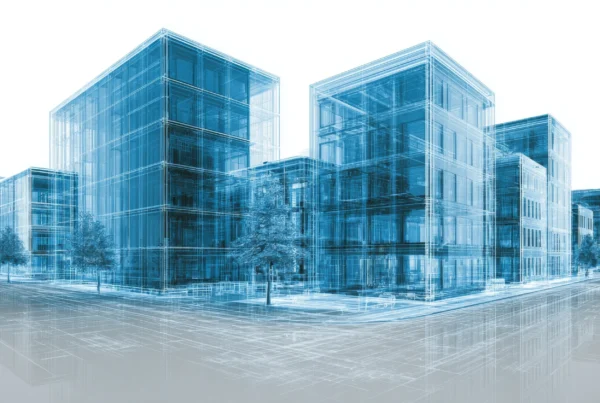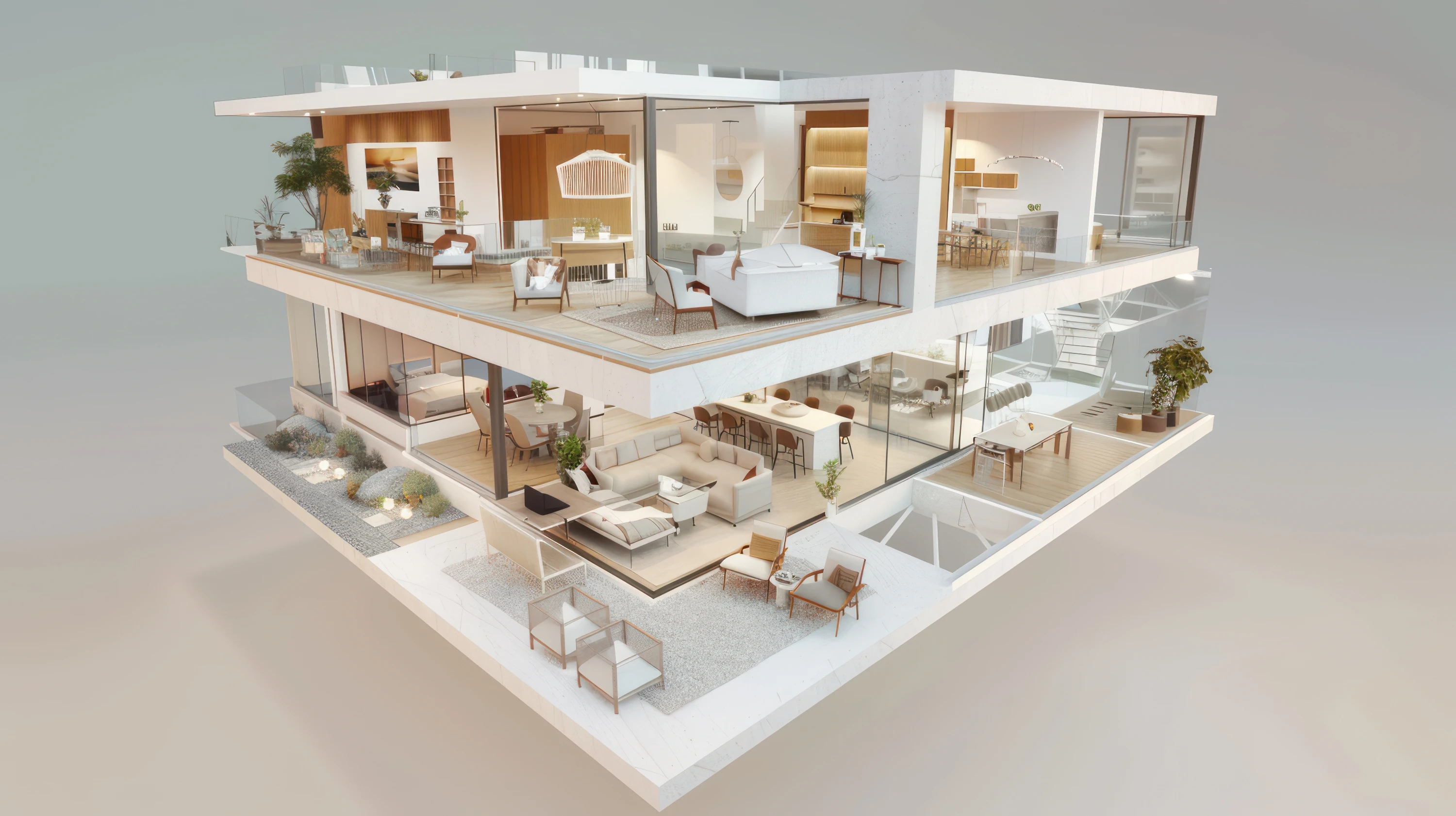
In premium real estate, first impressions still matter. A beautifully crafted hero render can shape perception in seconds. It can communicate architecture, atmosphere, materials, and lifestyle before a buyer reads a single sentence. That is why CGI is still one of the most important tools in property marketing.
But in 2026, beautiful images alone are rarely enough.
Premium buyers do not make premium decisions based only on mood. At some point, the questions become more practical:
-
Which unit is better?
-
What is the actual difference between one stack and another?
-
How does the building sit within the wider masterplan?
-
Which apartment has the better view, privacy, or orientation?
-
How close is the unit to the amenities that matter most?
This is where static CGI starts to lose power.
The problem is not that CGI has stopped being valuable. It is that, on its own, it no longer covers the full sales journey. Static renders create desire, but they do not always create clarity. They help buyers admire a project, but they do not help them explore it, compare options, or move confidently toward a reservation.
That is especially important in off-plan sales, where the buyer is being asked to trust a future outcome. The stronger the digital presentation, the easier it becomes to reduce uncertainty and turn interest into action.
At Chameleon Interactive, we see this shift clearly across real estate marketing, sales centers, and investor presentations. Developers still need outstanding visuals, but they increasingly also need a digital layer that helps buyers understand what they are buying. That is exactly why our Digital Twin Solutions are designed not just to impress, but to support real sales conversations.
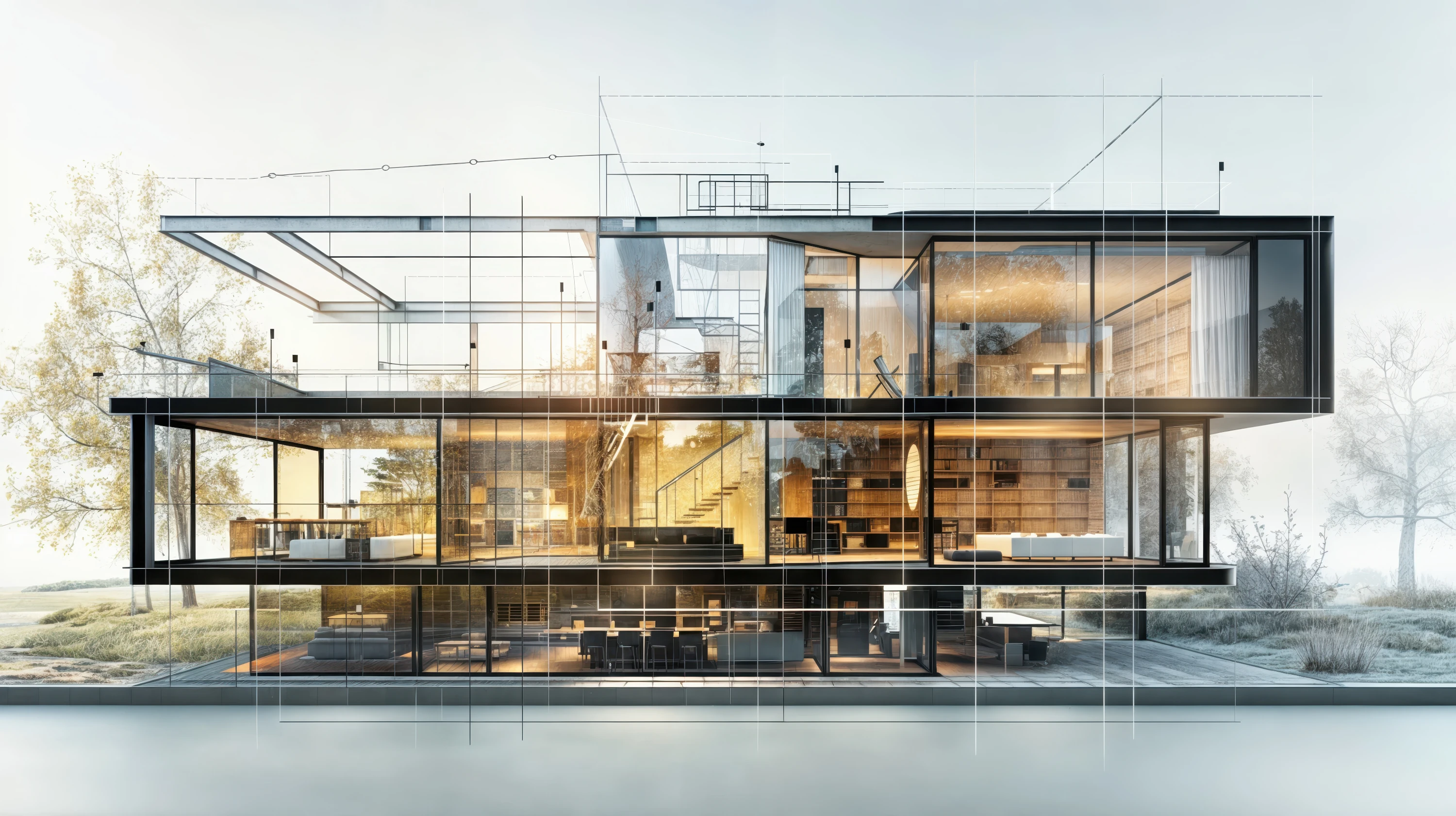
Static CGI Still Has an Important Role
Let’s be clear: static CGI is not outdated.
High-quality renders still do several things exceptionally well:
-
They create a strong first impression.
-
They establish the visual language of a project launch.
-
They support paid campaigns, social media, brochures, and PR.
-
They communicate quality before construction is complete.
-
They help sell aspiration, mood, and brand identity.
For premium developments, that is still essential. Buyers expect elegance, polish, and visual confidence. A strong set of renders can make a project feel desirable long before it becomes physically accessible.
This is why CGI remains such a powerful asset in real estate marketing. It is perfect for the top of the funnel. It captures attention quickly, works across many channels, and helps the project look premium from day one.
The issue begins when static content is expected to do everything.
A hero render can show the best angle of a tower. A brochure can present selected lifestyle moments. A launch film can guide viewers through a polished narrative. But none of those assets, by themselves, help a buyer navigate the project in a deeper way.
That is why the real conversation is not “CGI or digital twin.” It is about understanding where CGI ends and where a more interactive sales layer needs to begin.
If you want a broader look at how interactive systems differ from classic visualization assets, our article on Building 3D Digital Twin vs. Traditional 3D Models explains the difference in practical terms.
Where Static CGI Starts to Fail
Static CGI works brilliantly when the goal is to create emotion. It becomes much weaker when the goal is to support decision-making.
1. It shows selected moments, not explorable context
A render is always a chosen view. It is curated by design. That is part of its strength, but it is also its limit. Buyers do not only want to see the most flattering angle of a building. They want to understand the project as a place.
In real-world sales conversations, that usually means understanding:
-
the relation between buildings
-
the location of amenities
-
access and circulation
-
views from different levels
-
differences between sections of the project
A still image cannot carry all of that context.
2. It does not support comparison
This is one of the biggest commercial gaps.
Once a buyer becomes serious, the conversation rarely stays at the level of “this looks beautiful.” Instead, it becomes:
-
Which unit type gives me the best layout?
-
What changes from floor to floor?
-
Which side gets the best light?
-
Which option gives me more privacy?
-
Which residence is closest to the amenities I care about?
Static visuals do very little to help with that. The result is usually a fragmented process involving brochures, PDFs, floor plans, screenshots, and repeated manual explanations from the sales team.
3. It increases dependence on the sales team
A premium sales advisor should guide, qualify, and close. They should not have to carry the full burden of helping the buyer understand the project from scratch.
When static visuals are the main presentation tool, too much of the process depends on individual explanation. That slows down the journey and creates friction, especially when multiple buyers are asking similar questions.
4. It struggles with larger and more complex developments
The more ambitious the project, the less sufficient static content becomes. A boutique scheme with a few unit types can be explained reasonably well through renders and floor plans. But once a project includes multiple buildings, larger amenities, complex vertical differentiation, and a bigger masterplan story, the weaknesses of static content become obvious.
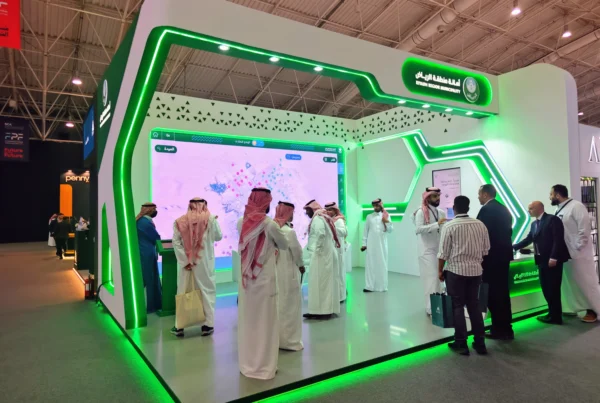
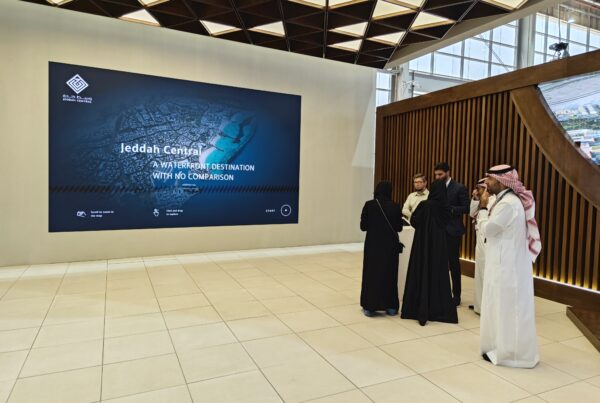
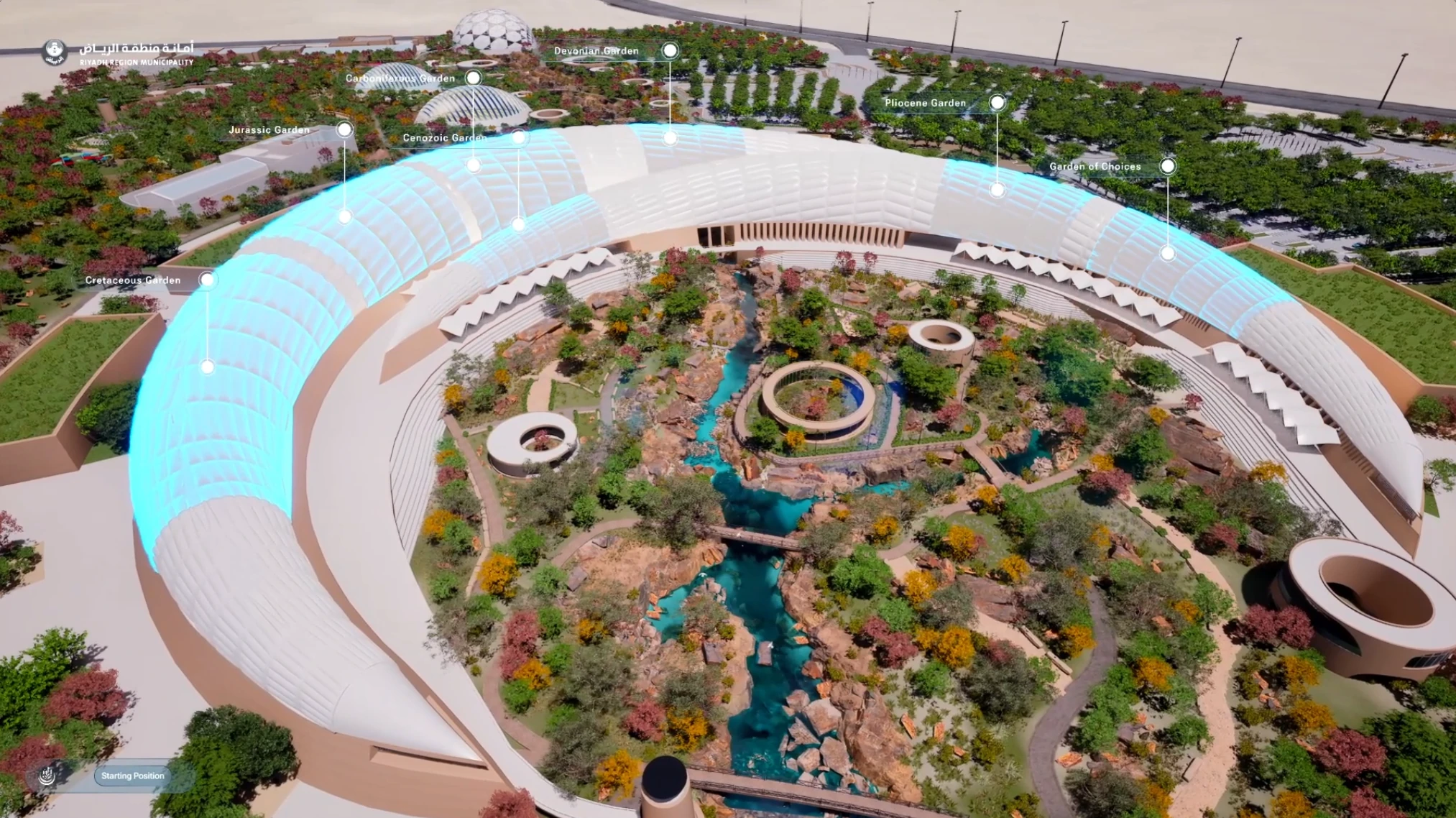
This is exactly why large-scale interactive projects such as the Jeddah Central Development Company Digital Twin Project and the Riyadh Digital Twin create so much more value than a simple image gallery.
5. It is weak for remote and international buyers
Premium real estate is increasingly sold across borders. Many buyers now discover, evaluate, and compare projects long before they ever enter a sales center.
NAR has repeatedly emphasized the importance of rich online presentation, including photos, video, virtual tours, and floor plans, and its 2024 buyer highlights show that online buyers especially value photos and detailed information, with floor plans and virtual-tour-type content also playing an important role in their research journey.
That matters because a premium project can look visually strong online, yet still leave the buyer with too many unanswered questions.
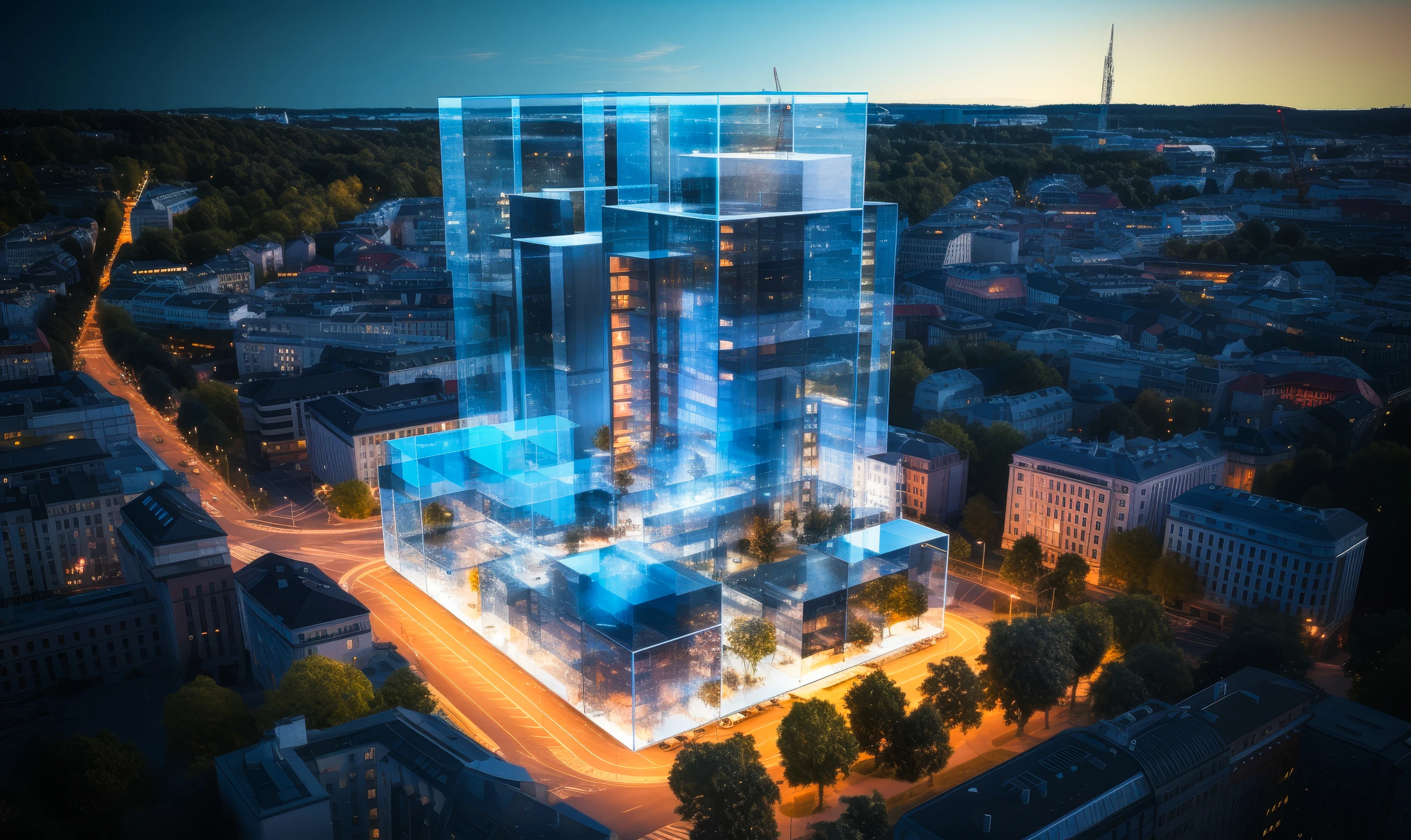
Premium Buyers Expect More Than Beautiful Imagery
The buyer journey has changed.
Today, buyers often want to self-educate before they speak to sales. They want to understand the product, evaluate options, and feel more confident before taking the next step. In premium real estate, that expectation is even stronger because the financial and emotional stakes are higher.
This means real estate marketing has to do more than inspire. It also has to inform.
That does not mean every buyer wants a technical experience. It means they want a better information experience. They want a presentation that feels premium not only because it looks polished, but because it helps them understand the project quickly and clearly.
This is one of the reasons virtual tours and richer digital property presentation have become so important. NAR’s guidance for listings specifically recommends sharing as much visual information as possible, including photos, video, virtual tours, and floor plans, because buyers increasingly expect a fuller digital picture before they move forward. For teams thinking beyond static visuals, NAR’s guide on virtual tours and its advice on making online listings shine both reinforce the same pattern: richer digital presentation helps move buyers forward.
For real estate developers, this creates a clear strategic challenge: your digital marketing should no longer stop at admiration. It should help buyers move from admiration to confidence.
If you want to see how this plays out specifically in off-plan sales, our article on How Digital Twins Improve Pre-Sales for Off-Plan Real Estate Projects explores how interactive presentation helps reduce hesitation before completion.
What Premium Real Estate Marketing Needs Instead
If static CGI is no longer enough on its own, what should replace it?
Not one asset. Not one gimmick. Not one trend.
What premium real estate marketing needs is a more complete presentation system. One that combines visual quality with exploration, and storytelling with decision support.
That usually means adding an interactive digital layer that allows buyers and sales teams to do more than simply view the project.
A modern premium presentation should help buyers:
-
understand the masterplan
-
navigate buildings and towers
-
explore floor stacks
-
compare unit options
-
view amenities in context
-
continue the journey online or remotely
-
move from curiosity to conviction
This is where digital twins become commercially powerful.
A real estate digital twin is not just a 3D model placed on a website. It is a structured, interactive environment designed around buyer questions. It helps sales teams present the project more clearly and helps buyers explore it in a more natural way.
For developers, that means a shift from passive marketing assets to a more active sales tool.
For buyers, it means less uncertainty.
For a broader look at why this shift is accelerating, see The Rise of Digital Twin in Real Estate: From Concept to Industry Standard, where we explain how digital twins have moved from innovation buzzword to practical commercial advantage.
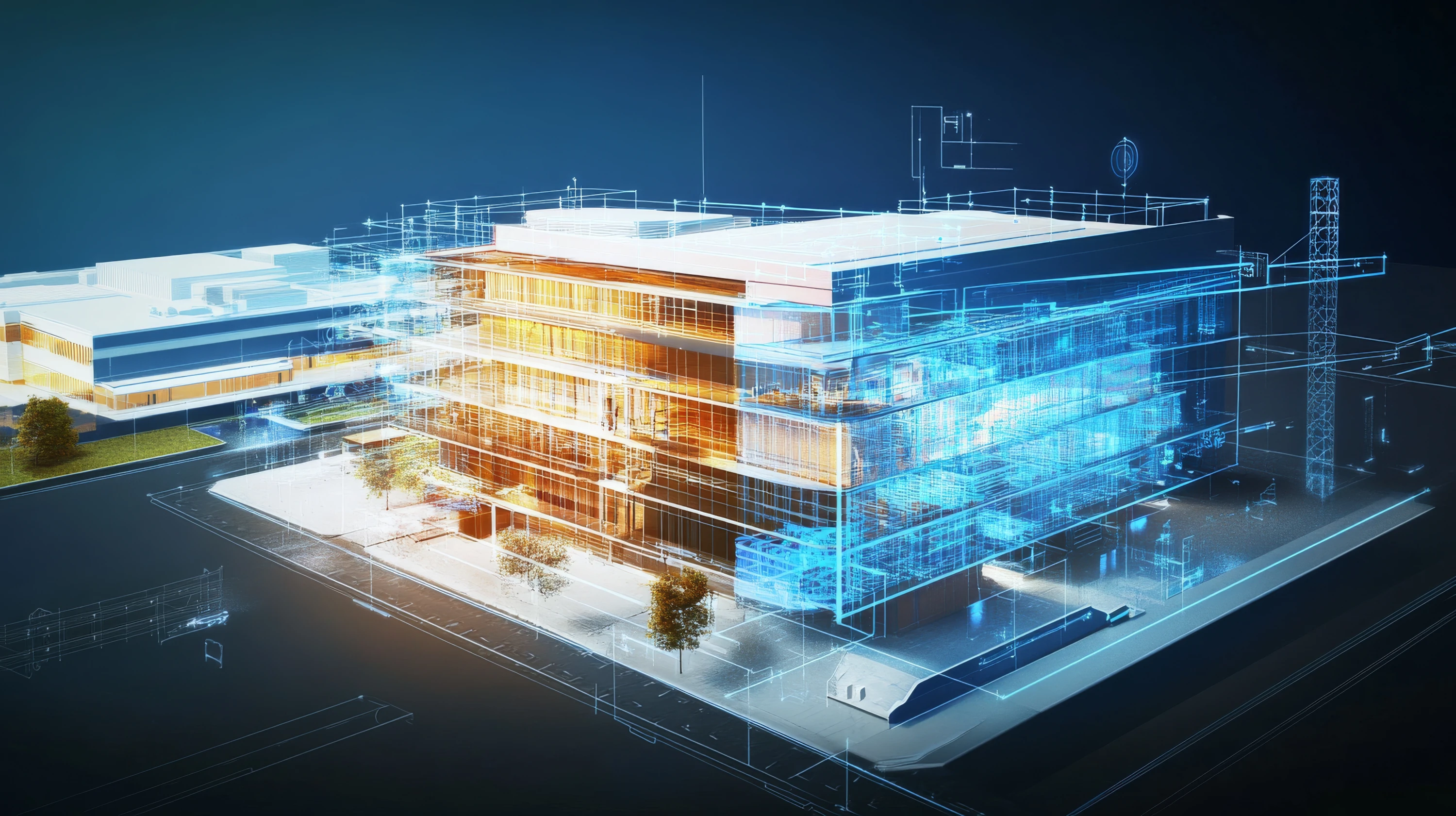
From Visual Assets to Decision Tools
This is the most important change in premium real estate marketing.
The old model focused mainly on visual persuasion. The new model still values persuasion, but adds decision support.
That difference is crucial.
A render is built to look exceptional.
A decision tool is built to answer questions.
A film controls the narrative from beginning to end.
A digital twin gives the buyer room to explore.
A brochure is linear.
An interactive system is responsive.
The strongest premium sales experiences now combine all of these layers. They use CGI for impact, film for storytelling, and interactive tools for clarity.
When that happens, the buyer journey changes in a meaningful way.
Instead of asking sales to explain everything manually, buyers can begin to verify things visually. Instead of relying on isolated assets, they can move through a more coherent environment. Instead of feeling impressed but still unsure, they feel informed.
That matters because trust is often built through clarity.
In off-plan sales, confidence is everything. Buyers are being asked to commit to something that is not yet complete. The more clearly they can understand the product, the easier it becomes to justify the decision.
This is one reason our clients increasingly look beyond standalone visuals and toward broader experience design. In How Digital Twin Technology Is Transforming Real Estate Sales, we explored how interactive real-time environments help close the gap between imagination and commitment.
Why Digital Twins Outperform Static CGI in Premium Projects
Digital twins outperform static CGI in premium sales environments because they solve more than one problem at the same time.
They provide spatial understanding
A premium project is not just a facade. It is a system of relationships between architecture, landscape, amenities, views, circulation, and urban context. Static CGI can suggest those relationships. A digital twin can actually show them.
They support faster comparison
This is a direct sales advantage. When buyers can compare options more clearly, they are more likely to make decisions faster and with less confusion.
They create consistency across channels
One digital twin foundation can support multiple outputs:
-
sales center presentations
-
web-based experiences
-
investor meetings
-
event installations
-
remote client calls
That kind of continuity is hard to achieve with disconnected image sets and PDF documents.
They combine beauty with utility
This is where Unreal Engine plays a major role. Epic’s own architecture materials highlight how real-time technology helps developers create immersive plans that enable stakeholders to make faster decisions, which aligns closely with how premium real estate teams now use high-fidelity interactive environments in practice. You can see that direction on Unreal’s official architecture page.
If you want to explore the engine side in more detail, our article on Why Unreal Engine Outshines Unity for Real Estate Digital Twins explains why high-end real-time quality matters so much in premium presentation.
They work better for remote access
One of the biggest practical advantages today is accessibility. A strong digital twin no longer has to live only on a powerful local machine. With the right pipeline, it can be delivered much more flexibly to remote users and distributed teams.
That is why cloud delivery matters so much. In Cloud Streaming Digital Twin – Stream Your Building Twin Anywhere, we explain how one high-end twin can support wider access without losing presentation value.
The Smartest Strategy Is Not “CGI or Digital Twin”
This is where many developers can make the biggest mindset shift.
The best strategy is not to replace CGI. It is to put CGI in the right place.
A strong premium marketing stack usually looks like this:
CGI
Best for:
-
hero images
-
launch campaigns
-
brochures
-
social content
-
mood and aspiration
Video
Best for:
-
controlled storytelling
-
launch films
-
project teasers
-
investor communication
Digital twin
Best for:
-
project exploration
-
unit comparison
-
sales-center support
-
remote presentations
-
helping buyers make decisions
When these three layers work together, the project feels both premium and understandable.
That is the real goal.
Not just to make the development look exceptional, but to make it easier to buy.

When Developers Should Make the Shift
Not every project needs a full interactive system immediately. But there are clear situations where static CGI alone is no longer enough.
You should seriously consider a digital twin layer when:
-
the project has multiple buildings or towers
-
there are many unit types to compare
-
the development is being sold off-plan
-
international buyers are important
-
the sales cycle is long and explanation-heavy
-
the brand positioning is premium or luxury
-
you need a sales-center, investor, and web presentation to feel connected
If those points sound familiar, then the issue is probably not your visual quality. It is the gap between beautiful presentation and practical buyer understanding.
The strongest next step is usually not to create more images. It is to build a more useful digital environment around the images you already have.
If your team is also thinking about project setup and scope definition, How to Build a Digital Twin RFP That Prevents Scope Creep is a practical next read.
Final Thoughts
Static CGI is still essential in premium real estate marketing. It creates aspiration, communicates quality, and helps projects stand out in crowded markets.
But it is no longer enough by itself.
Today’s buyers want more than beautiful images. They want context. They want comparison. They want confidence. They want a presentation that helps them understand the future before they commit to it.
That is why premium real estate marketing is moving toward richer, more interactive experiences. Not because static visuals stopped working, but because the buyer journey evolved.
CGI still creates desire.
Interactive digital twins create understanding.
And premium projects need both.
If you want to see how this approach works in practice, explore our Digital Twin Solutions, review the Jeddah Central Development Company Digital Twin Project, or take a look at the Riyadh Digital Twin to see how immersive, high-fidelity environments can support sales, investor communication, and large-scale project storytelling.
FAQ
Is CGI still useful in real estate marketing?
Yes. CGI remains extremely valuable for launch campaigns, brochures, landing pages, and hero visuals. The point is not to replace CGI, but to complement it with more interactive tools where the buyer journey requires more clarity.
What is the difference between CGI and a digital twin?
CGI usually delivers fixed assets such as still renders or video sequences. A digital twin adds an interactive layer that helps buyers explore the project, understand context, compare options, and navigate information more naturally.
When should a developer invest in a digital twin?
It makes the most sense for off-plan developments, premium projects, larger masterplans, projects with multiple unit types, and developments targeting remote or international buyers.
Are digital twins only for large projects?
No. Large masterplans benefit strongly from them, but smaller premium developments can also gain significant value, especially when the goal is to create a more differentiated and persuasive sales journey.