Showcasing Value in a Hybrid World: Digital Twins and the New Normal of Real Estate Marketing
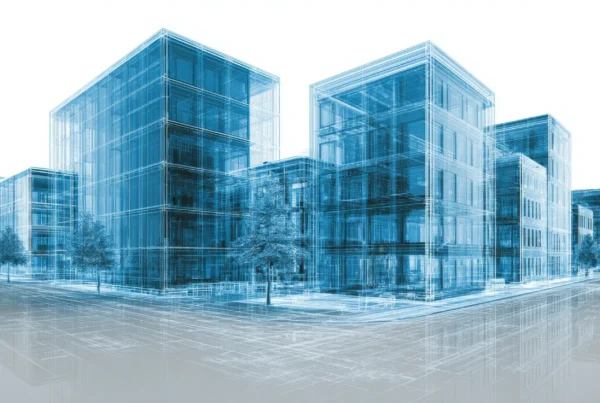
In today’s evolving market, the transition from traditional showrooms to virtual experiences is redefining how developers connect with potential buyers. The world has embraced remote work, online research, and virtual decision-making. In this hybrid environment, digital twin real estate solutions are emerging as powerful tools that enable developers to attract and engage clients globally. When paired with digital interactive solutions and immersive event technology, these sophisticated 3D replicas revolutionize the buyer journey, shorten sales cycles, and enhance brand credibility.
Adapting to a Hybrid Real Estate Landscape
Market research from the National Association of Realtors (NAR) shows a significant shift in how buyers approach property discovery and evaluation post-pandemic. Similarly, the Urban Land Institute (ULI) Annual Report details how real estate developers are now deploying online-first strategies to meet modern expectations. Instead of scheduling multiple in-person visits, today’s buyers often begin their home searches online, interact with real estate digital twin environments, and finalize decisions without leaving their desks.
This blend of physical and virtual engagement—hybrid marketing—calls for flexible, data-driven approaches. As a result, developers must embrace cutting-edge visualization tools like digital twin for real estate platforms. These solutions provide interactive experiences that go beyond static images, enabling remote buyers to “walk” through properties, test different layouts, and compare finishes with ease.
Digital Twin Real Estate Solutions: A Core Marketing Advantage
The latest Emerging Trends in Real Estate® 2024 by ULI and PwC underscores the importance of advanced visualization and real-time rendering in property marketing. High-fidelity 3D environments bring to life the scale, ambiance, and features of a property—long before construction finishes. By partnering with companies like Chameleon Interactive, developers can present realistic, data-rich models that simulate the final outcome, instilling confidence and clarity in prospective buyers.
These digital interactive solutions leverage advanced rendering engines. The Epic Games’ Unreal Engine for Real Estate stands out as a prime example, enabling cinematic-quality visuals and seamless customization. As discussed in “Digital Twins for Real Estate: Why Unreal Engine Outshines Unity”, Unreal Engine’s capabilities ensure the virtual environment mirrors reality, guiding buyers to envision their future homes with detail and accuracy.
Meeting Evolving Buyer Expectations with Digital Interactive Solutions
NAR’s Profile of Home Buyers and Sellers highlights reveal that buyers increasingly rely on online resources and 3D tours. Internationally, the Emerging Trends in Real Estate® Global Outlook 2024 shows that global investors turn to virtual experiences to explore properties overseas. These insights confirm that developers must prioritize real estate digital twin models to reach audiences wherever they reside.
For a real-world example, consider “Closing the Distance: How Digital Twins Drive International Real Estate Sales”. This article highlights how incorporating interactive 3D tours, immersive event technology, and AI-driven recommendations accelerates the decision-making process for cross-border clients. Prospective buyers no longer need to fly halfway around the world to gain confidence in their investments.
From Lead Generation to Conversion: The ROI of Digital Twins
Implementing digital twin for real estate strategies doesn’t just benefit the buyer—it also delivers measurable ROI for developers. According to NAR’s 2024 Home Buyers and Sellers Generational Trends Report, delivering immersive experiences correlates with higher conversion rates and shorter time-to-close. As buyers spend more time interacting with digital twins, their engagement signals stronger intent and reduces uncertainty.
Chameleon Interactive’s resources, such as “How Digital Twins Improve Pre-Sales for Off-Plan Real Estate Projects” and “7 Pillars of Digital Twins: Revolutionizing Real Estate Marketing and Sales”, outline how these interactive models create a strategic advantage. They promote transparency, foster trust, and help buyers feel connected to the property—key ingredients for accelerating sales. By allowing buyers to customize finishes, explore amenities, and visualize the future neighborhood, digital twins transform passive viewers into active participants in the sales process.
Future-Proofing Marketing with Immersive Event Technology
As technology advances, integrating immersive event technology and personalized digital journeys will only grow more essential. Reports like Emerging Trends in Real Estate® 2025 by ULI and PwC forecast increased adoption of virtual and augmented reality, AI-driven personalization, and Metahuman-guided tours—innovations already exemplified in “The Metahuman Roadmap: Future Trends Shaping Immersive Event Solutions”.
Digital twins serve as the foundation upon which these new technologies can flourish. Imagine hosting a virtual launch event where guests interact with a property’s digital twin environment, guided by a Metahuman host. Add to that the ability to collect data-driven insights about buyer preferences and engagement patterns, and you have a continually improving marketing engine.
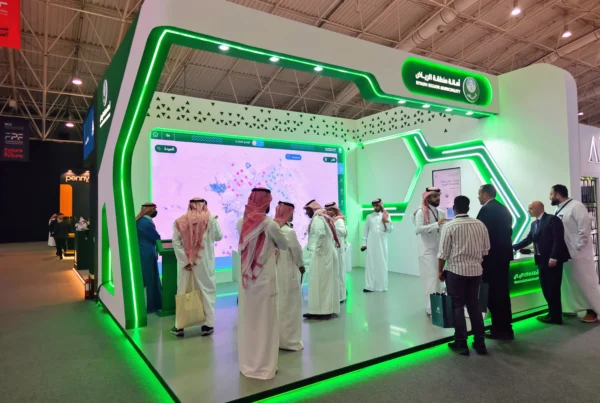
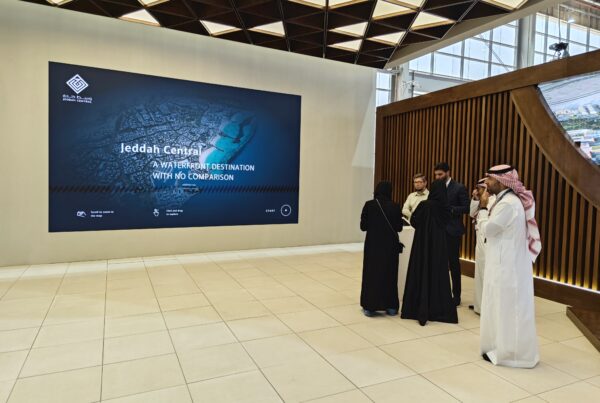
Large-scale projects like the Jeddah Central Development Company Digital Twin Project prove that digital twins can handle complex urban scales. These 3D models offer VR viewing, pop-ups with detailed property specs, and captivating walkthroughs—all crucial for enticing global buyers and securing early commitments.

Best Practices for Digital Twin Success
Effective digital twin real estate strategies hinge on selecting the right platforms, continuously refining the 3D environment, and incorporating buyer feedback. As detailed in “Digital Twin for Real Estate: 7 Key Factors for Digital Twin Success”, it’s essential to prioritize data accuracy, user-friendly navigation, and seamless integration with existing marketing channels. Developers should also stay informed about emerging trends and ready themselves to pivot as buyer behaviors evolve further.
Embracing the New Normal of Real Estate Marketing
The hybrid model isn’t a trend—it’s the new standard. With increasing reliance on remote research and virtual connections, developers must present properties through digital interactive solutions that meet modern expectations. Digital twin for real estate platforms powered by Unreal Engine deliver lifelike experiences that transcend borders and time zones, making them indispensable tools for forward-thinking developers.
By weaving together immersive experiences, real-time customization, and data-driven engagement, digital twins empower developers to navigate the new normal of real estate marketing. From global lead generation to improving conversion rates, these tools align perfectly with buyers’ evolving preferences, ensuring that your brand stands out in a competitive marketplace.
As buyers continue to embrace the hybrid world—mixing digital exploration with selective in-person visits—developers who invest in digital twin real estate solutions today will be well-prepared to captivate tomorrow’s audience.